
The 5.7x28mm Mystery: Why This Unique Caliber Is Disappearing from Shelves
Created at:
The 5.7x28mm cartridge has gone from niche military round to civilian favorite, but finding ammunition has become increasingly difficult. Here's what's driving the shortage and what it means for 5.7 enthusiasts.
The 5.7x28mm: From Military Secret to Civilian Sensation
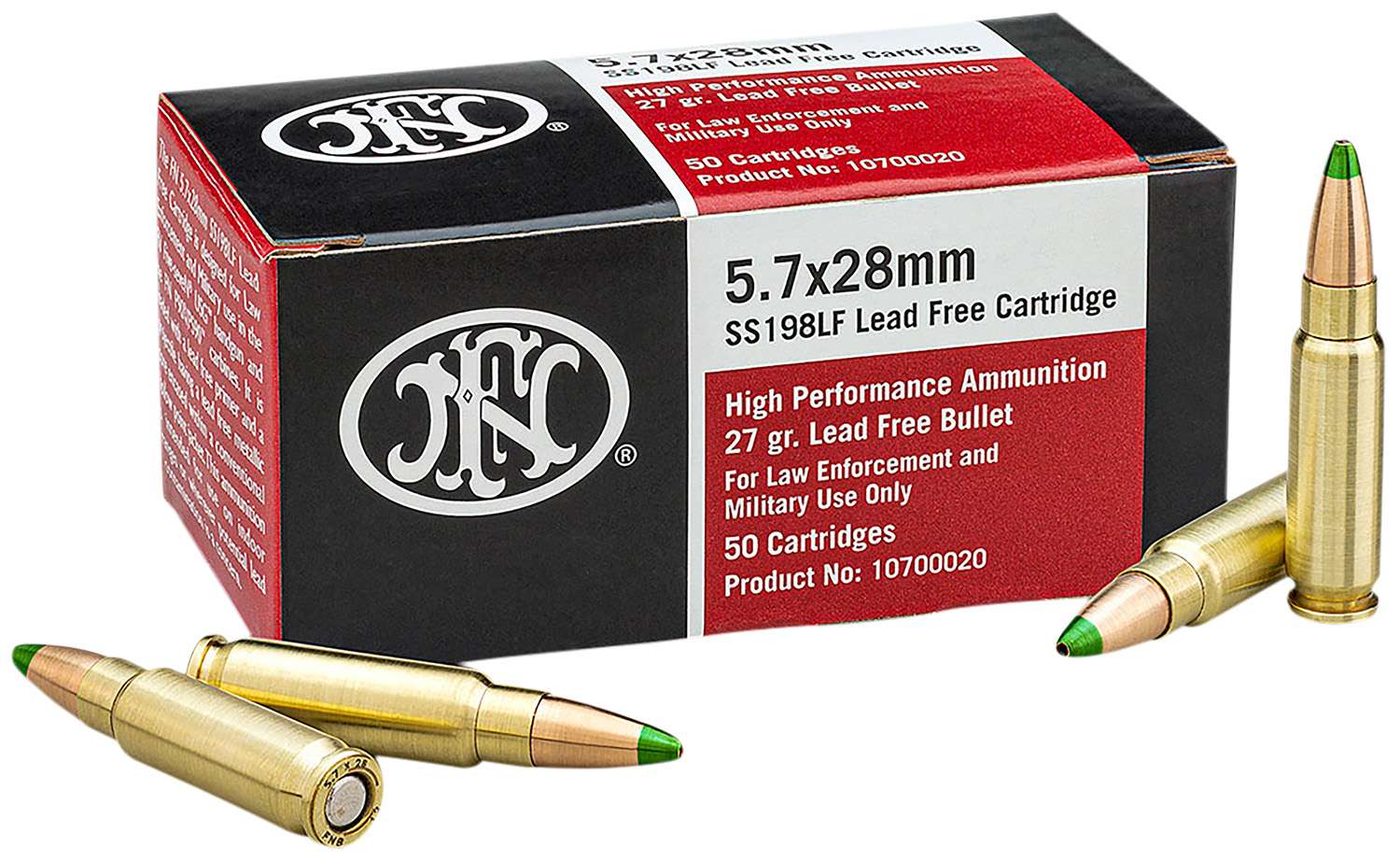
The 5.7x28mm cartridge represents one of the most unique and controversial rounds in modern firearms history. Originally developed by FN Herstal in the late 1980s as a NATO Personal Defense Weapon (PDW) cartridge, the 5.7x28mm was designed to bridge the gap between pistol rounds and rifle cartridges, offering rifle-like performance in a compact package.
For decades, this Belgian-engineered cartridge remained largely in the realm of military and law enforcement, chambered primarily in FN's P90 submachine gun and Five-seveN pistol. However, the civilian firearms market has increasingly embraced the 5.7x28mm, leading to a perfect storm of supply and demand issues that have created today's shortage.
Understanding the 5.7x28mm Cartridge
Technical Specifications
The 5.7x28mm is a bottlenecked cartridge that defies easy categorization. Its specifications tell the story of its unique design philosophy:
Cartridge Dimensions:
- Overall length: 40.5mm (1.59 inches)
- Case length: 28.0mm (1.10 inches)
- Bullet diameter: 5.7mm (.224 inches)
- Case capacity: Approximately 1.0 grains of water
Performance Characteristics:
- Muzzle velocity: 2,350-2,800 fps (depending on barrel length and load)
- Muzzle energy: 300-400 foot-pounds
- Effective range: 200+ meters from rifle-length barrels
- Penetration capability: Exceptional against soft body armor
What Makes 5.7x28mm Special
The 5.7x28mm occupies a unique niche in the ammunition world. It's neither a traditional pistol round nor a rifle cartridge, but something entirely different:
High Velocity, Low Recoil: The cartridge achieves impressive velocities while maintaining manageable recoil, making it suitable for rapid-fire applications and smaller-framed shooters.
Armor-Piercing Potential: Military and law enforcement loadings can defeat IIIA body armor, though civilian ammunition is typically limited to sporting applications.
Flat Trajectory: The high velocity results in a remarkably flat trajectory, making long-range accuracy more achievable than with traditional pistol cartridges.
Low Weight: Individual cartridges are significantly lighter than comparable pistol rounds, allowing for higher ammunition capacity in military applications.
The Current Shortage: Multiple Factors at Play
Limited Manufacturing Base
Unlike popular cartridges such as 9mm or .223 Remington, which are produced by dozens of manufacturers worldwide, 5.7x28mm production has historically been dominated by a small number of companies:
Primary Manufacturers:
- FN Herstal: The original developer and primary military supplier
- Federal Premium: Licensed production for civilian market
- Speer: Limited production runs under the Gold Dot line
- Hornady: Recent entry with Critical Defense loadings
- Elite Ammunition: Boutique manufacturer with limited capacity
This limited manufacturing base creates vulnerability to supply disruptions. When any single manufacturer experiences production issues, the entire market feels the impact immediately.
Explosive Civilian Demand Growth
The civilian market for 5.7x28mm ammunition has grown exponentially in recent years, driven by several factors:
Platform Proliferation:
- FN Five-seveN pistol gaining civilian popularity
- FN PS90 carbine appealing to sporting rifle enthusiasts
- CMMG Banshee and other AR-57 platforms entering the market
- Ruger-57 bringing the caliber to a broader price point
- Palmetto State Armory Rock offering budget-friendly options
Cultural Influence:
- Video game popularity (Counter-Strike, Call of Duty) introducing younger shooters to the platform
- Television and movie appearances creating mainstream awareness
- Social media content showcasing the cartridge's unique characteristics
- YouTube reviews by popular firearms channels driving interest
Supply Chain Complexities
The 5.7x28mm faces unique supply chain challenges that don't affect more common cartridges:
Specialized Components:
- Brass cases require specialized tooling and aren't interchangeable with other cartridges
- Bullets must be precisely manufactured to .224 diameter with specific weight and construction
- Powder charges are typically faster-burning varieties not commonly used in other applications
- Primers are standard, but overall cartridge assembly requires specialized equipment
International Dependencies: Much of the 5.7x28mm supply chain traces back to European sources, making it vulnerable to:
- Export restrictions and international trade disputes
- Currency fluctuations affecting pricing and availability
- Shipping delays and logistics complications
- Regulatory changes in source countries
Military and Law Enforcement Priority
Military and law enforcement contracts take priority over civilian sales, and several factors have increased institutional demand:
Global Conflicts:
- Ukraine situation increasing NATO small arms ammunition demand
- Middle East operations requiring PDW ammunition supplies
- Training requirements for military units equipped with P90 systems
- Law enforcement adoption of 5.7x28mm platforms for specialized units
Contract Obligations: Manufacturers must fulfill existing military and law enforcement contracts before serving civilian markets, creating periodic civilian shortages when institutional demand spikes.
Market Impact and Pricing Effects
Price Inflation Patterns
The 5.7x28mm shortage has created dramatic price inflation across all market segments:
Pre-Shortage Pricing (2019-2020):
- Budget ammunition: $0.45-0.55 per round
- Premium ammunition: $0.65-0.85 per round
- Specialty loadings: $1.00-1.25 per round
Current Market Pricing (2025):
- Budget ammunition: $0.85-1.10 per round (when available)
- Premium ammunition: $1.25-1.65 per round
- Specialty loadings: $1.75-2.50 per round
- Rare or discontinued loads: $3.00+ per round
This represents a 70-100% price increase across most categories, making 5.7x28mm one of the most expensive commonly available pistol cartridges.
Secondary Market Effects
The shortage has created a robust secondary market with its own dynamics:
Online Auction Sites:
- Individual boxes selling for 150-200% of MSRP
- Bulk lots commanding premium prices
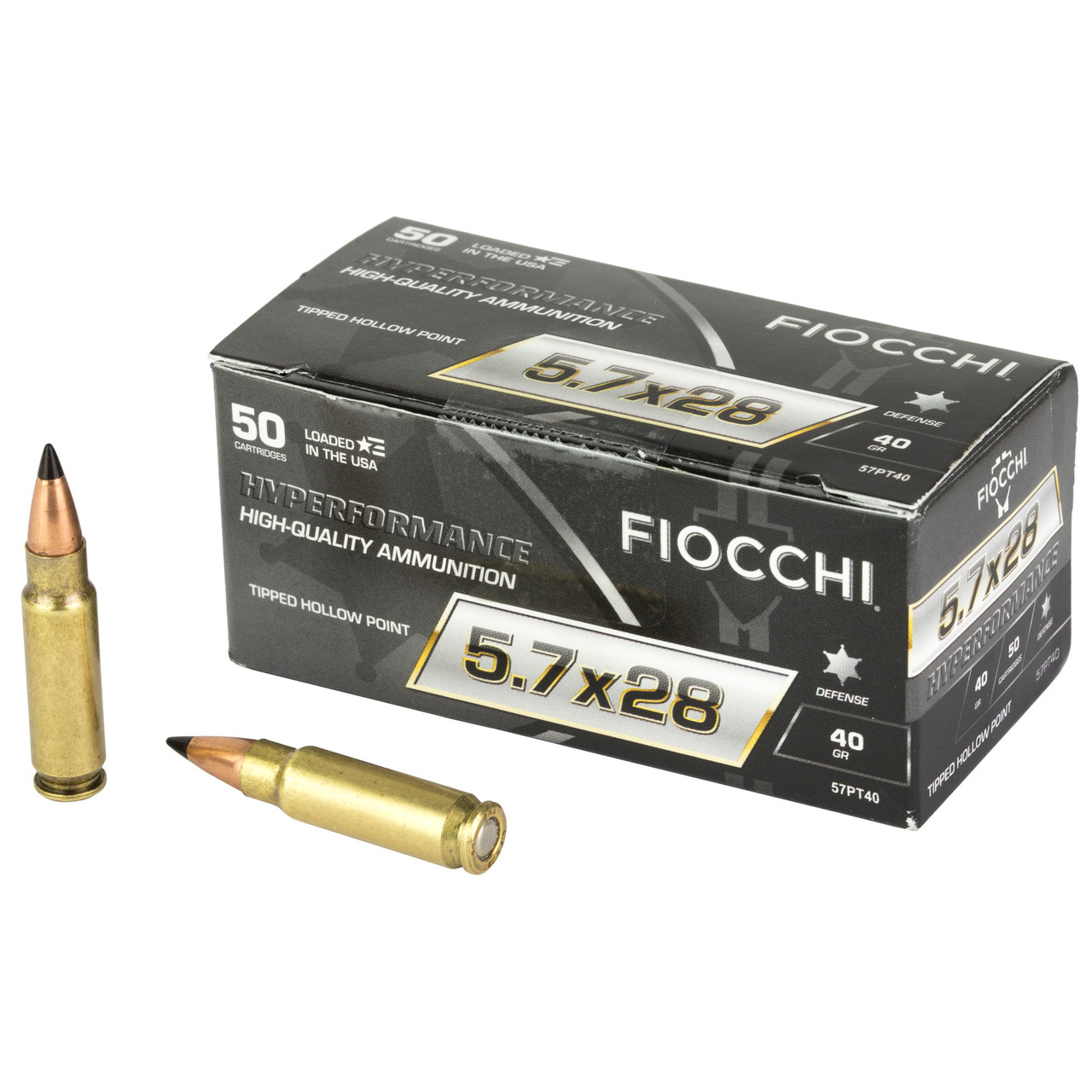
- Rare loadings (like FN SS197SR) selling for collector prices
Gun Shows and Local Markets:
- Price gouging concerns at some venues
- Barter systems emerging among 5.7 enthusiasts
- Regional variations in availability and pricing
Platform Sales Impact
The ammunition shortage has paradoxically both helped and hurt 5.7x28mm firearm sales:
Negative Impacts:
- Hesitant new buyers concerned about ammunition availability
- Reduced range time for existing owners
- Training limitations for law enforcement and military units
- Competition participation declining due to ammunition costs
Positive Impacts:
- Collector interest in 5.7 platforms increasing
- Investment mentality driving some purchases
- Anticipatory buying before prices rise further
- Platform diversity as manufacturers try to capture market share
Regional Availability Variations
Geographic Disparities
5.7x28mm availability varies significantly across different regions:
High Availability Regions:
- Northern Virginia/DC area: Proximity to government contractors
- Colorado Springs: Military installations and contractors
- Huntsville, Alabama: Defense industry concentration
- San Antonio, Texas: Military training facilities
Low Availability Regions:
- Rural areas without specialized gun stores
- States with restrictive ammunition laws
- Regions without major defense contractors
- Areas with limited gun store density
International Considerations
Export Restrictions: Many countries restrict 5.7x28mm exports due to its armor-piercing capabilities in military loadings, even though civilian versions are less capable.
Import Dependencies: U.S. civilian shooters depend heavily on imported ammunition and components, making the market vulnerable to trade disruptions.
Manufacturing Challenges and Solutions
Why Scaling Production Is Difficult
Unlike common cartridges where new manufacturers can easily enter the market, 5.7x28mm production faces unique barriers:
Technical Barriers:
- Specialized machinery required for bottlenecked case production
- Quality control demands for high-pressure, high-velocity cartridge
- Bullet manufacturing requiring precise specifications
- Testing and validation costs for new ammunition designs
Economic Barriers:
- High startup costs for specialized equipment
- Uncertain market size making ROI calculations difficult
- Competition with established manufacturers holding key patents
- Regulatory compliance costs for new ammunition manufacturers
Potential Solutions on the Horizon
New Market Entrants: Several smaller manufacturers have announced plans to enter the 5.7x28mm market:
- Norma considering civilian market entry
- Winchester evaluating 5.7 production
- Remington (under new ownership) exploring options
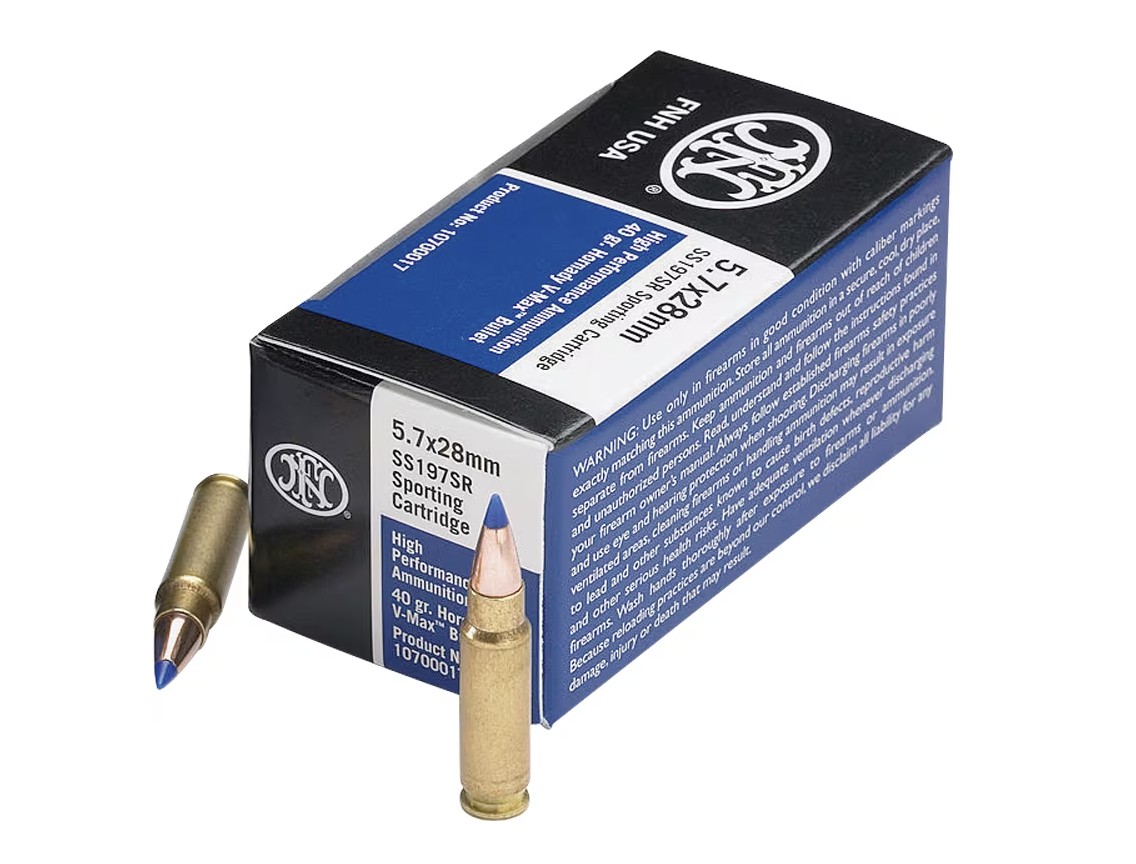
- Fiocchi expanding U.S. production capabilities
Domestic Production Expansion:
- Federal increasing production capacity
- Hornady expanding their Critical Defense line
- New facilities being planned by existing manufacturers
- Contract manufacturing arrangements being negotiated
Alternatives and Workarounds
Similar Performance Cartridges
While nothing exactly replicates 5.7x28mm performance, several alternatives offer comparable characteristics:
5.7x28mm Alternatives:
- 4.6x30mm HK: Similar concept but extremely limited availability
- .22 TCM: Higher velocity .22 caliber with better availability
- 5.45x39mm: Rifle cartridge with similar bullet diameter
- .17 HMR: Rimfire alternative for recreational shooting
Practical Substitutes: For training and recreational shooting, some 5.7 owners are using:
- .22 LR conversion systems for basic marksmanship training
- .223 Remington for long-range practice
- 9mm platforms for defensive training
- .22 TCM as the closest ballistic match
Reloading Considerations
Reloading Viability: 5.7x28mm reloading is technically possible but challenging:
Challenges:
- Brass availability extremely limited
- Bullet selection restricted to specific weights and designs
- Powder data limited compared to common cartridges
- Case life typically shorter than larger cartridges
Components Sources:
- Starline Brass occasionally available
- Hornady bullets in appropriate weights
- Federal brass from fired military surplus
- Component bullets from specialty manufacturers
Future Market Outlook
Short-Term Projections (6-18 Months)
Supply Improvements Expected:
- Federal expansion should increase civilian availability
- Hornady production ramp-up adding market capacity
- Import normalization as global supply chains stabilize
- New manufacturer entry beginning to impact supply
Pricing Expectations:
- Gradual price reduction as supply increases
- Continued premium pricing compared to common cartridges
- Market stabilization around $0.75-1.00 per round for basic ammunition
- Premium loads likely remaining above $1.25 per round
Long-Term Market Evolution (2-5 Years)
Platform Proliferation:
- More manufacturers likely to chamber firearms in 5.7x28mm
- Budget options becoming more widely available
- Sporting applications driving civilian demand growth
- Training platforms reducing barrier to entry
Ammunition Market Maturation:
- Increased competition among manufacturers
- Price normalization as production scales up
- Load variety expansion for different applications
- Quality improvements across all price points
Impact on Different User Communities
Competitive Shooters
Current Challenges:
- Match ammunition costs making competition expensive
- Inconsistent availability affecting training schedules
- Load development limited by component shortages
- Equipment investment harder to justify without reliable ammunition supply
Adaptations:
- Load conservation strategies for matches
- Alternative training methods using different cartridges
- Equipment sharing within shooting communities
- Competition format modifications to reduce round counts
Law Enforcement and Military
Institutional Impact:
- Training budget strain from increased ammunition costs
- Qualification course modifications to conserve ammunition
- Procurement delays affecting equipment rollouts
- Alternative platform consideration for new acquisitions
Operational Considerations:
- Stock rotation challenges with limited resupply
- Mission planning accounting for ammunition availability
- Cross-training on alternative platforms
- Budget reallocation to secure adequate supplies
Recreational Shooters
Participation Effects:
- Reduced range time due to ammunition costs
- Platform switching to more affordable alternatives
- Shooting discipline changes to conserve ammunition
- Group activities to share ammunition costs
Long-term Engagement:
- Platform investment reconsidered by some users
- Alternative hobby exploration when shooting becomes too expensive
- Community support through ammunition sharing
- Skills maintenance through dry fire and simulation
Buying Strategies in a Shortage Market
Smart Shopping Approaches
Timing Considerations:
- Weekday restocking often better than weekend shopping
- Early morning availability at retail locations
- Subscription services from major retailers
- Back-order systems for guaranteed future delivery
Quality vs. Quantity Decisions:
- Premium ammunition for critical applications
- Training loads for practice and skill maintenance
- Bulk purchases when opportunities arise
- Mixed lot buying to ensure some supply
Avoiding Common Pitfalls
Overpaying Warning Signs:
- Auction fever driving prices beyond reasonable levels
- Panic buying at inflated prices
- Questionable sources with unknown ammunition quality
- Non-returnable sales without quality guarantees
Quality Concerns:
- Reloaded ammunition from unknown sources
- Foreign military surplus of questionable origin
- Damaged packaging indicating storage problems
- Extremely low prices suggesting quality issues
Industry Response and Innovation
Manufacturer Adaptations
Production Efficiency:
- Automated systems reducing manufacturing costs
- Quality improvements reducing rejection rates
- Packaging optimization improving distribution efficiency
- Direct-to-consumer sales reducing middleman costs
Product Development:
- Training-specific loads at reduced costs
- Subsonic ammunition for suppressed applications
- Match-grade options for precision shooting
- Reduced-cost alternatives maintaining performance
Retailer Strategies
Inventory Management:
- Allocation systems ensuring fair distribution
- Customer limits preventing hoarding
- Notification systems for stock arrivals
- Bundle deals with firearms purchases
Customer Service:
- Education programs about alternative options
- Pre-order systems for guaranteed supply
- Loyalty programs prioritizing regular customers
- Technical support for reloading and alternatives
Conclusion: Navigating the 5.7x28mm Landscape
The 5.7x28mm ammunition shortage represents a complex intersection of limited manufacturing capacity, explosive civilian demand growth, and global supply chain challenges. Unlike shortages of common cartridges that can be resolved relatively quickly through increased production, the 5.7x28mm market faces structural limitations that will take years to fully address.
For current 5.7x28mm owners, the situation requires strategic thinking about ammunition use, training methods, and long-term platform viability. The cartridge's unique performance characteristics continue to justify its existence, but the cost and availability challenges are real and persistent.
New shooters considering 5.7x28mm platforms should understand they're entering a niche market with premium pricing and limited ammunition availability. However, for those who appreciate the cartridge's unique characteristics and are willing to accept the associated costs, the 5.7x28mm offers performance that no other round can exactly replicate.
The long-term outlook for 5.7x28mm availability is cautiously optimistic. Increased manufacturing capacity, new market entrants, and stabilizing global supply chains should gradually improve availability and moderate pricing. However, the 5.7x28mm will likely remain a premium cartridge with costs significantly above common pistol rounds.
The key to thriving as a 5.7x28mm enthusiast in today's market is patience, strategic purchasing, and realistic expectations about costs and availability. Those who adapt to these realities can continue to enjoy one of the most unique and capable cartridges in the firearms world, while those who expect the convenience and pricing of common calibers may find themselves frustrated.
As the market continues to evolve, staying informed about production updates, new manufacturer entries, and availability patterns will be essential for anyone committed to the 5.7x28mm platform. The shortage won't last forever, but the lessons learned during this period will shape the market for years to come.