
10 Things You Didn’t Know About Gun Safety (But Should)
Created at:
Gun safety is the foundation of responsible firearm ownership. While the basic principles are widely known—like treating every gun as if it’s loaded and keeping the muzzle pointed in a safe direction—there are many overlooked or misunderstood aspects that can significantly enhance safety. In this comprehensive guide, we’ll explore 10 lesser-known but essential gun safety practices that every firearm owner should follow.
1. The Importance of Knowing Your Firearm Inside and Out
Every firearm is unique, with distinct features, mechanisms, and quirks. Properly understanding your specific firearm can prevent accidental misuse and enhance your confidence when handling it.
Why It Matters:
- Firearms have different safety mechanisms (manual, grip, trigger) that operate in specific ways.
- Understanding how to load, unload, and clear jams is critical to avoiding accidents.
What You Should Do:
- Read the Manual: This should be your first step after purchasing a firearm.
- Disassemble and Reassemble: Practice under supervision to familiarize yourself with the internal components.
- Seek Training: Attend a class or consult a professional to master your firearm’s operation.

2. Ammunition Safety is Just as Important as Gun Safety
The right ammunition is critical for firearm performance and safety. Using the wrong caliber or damaged ammunition can lead to dangerous malfunctions.
Why It Matters:
- Misusing calibers can cause overpressure and damage to your firearm or even injury.
- Damaged or corroded rounds increase the risk of misfires or squib loads (where a bullet gets stuck in the barrel).
What You Should Do:
- Match Calibers: Always verify that the ammunition matches the markings on your firearm.
- Inspect Rounds: Check for cracks, dents, or corrosion before use.
- Store Properly: Keep ammunition in a cool, dry place, away from humidity and extreme temperatures.
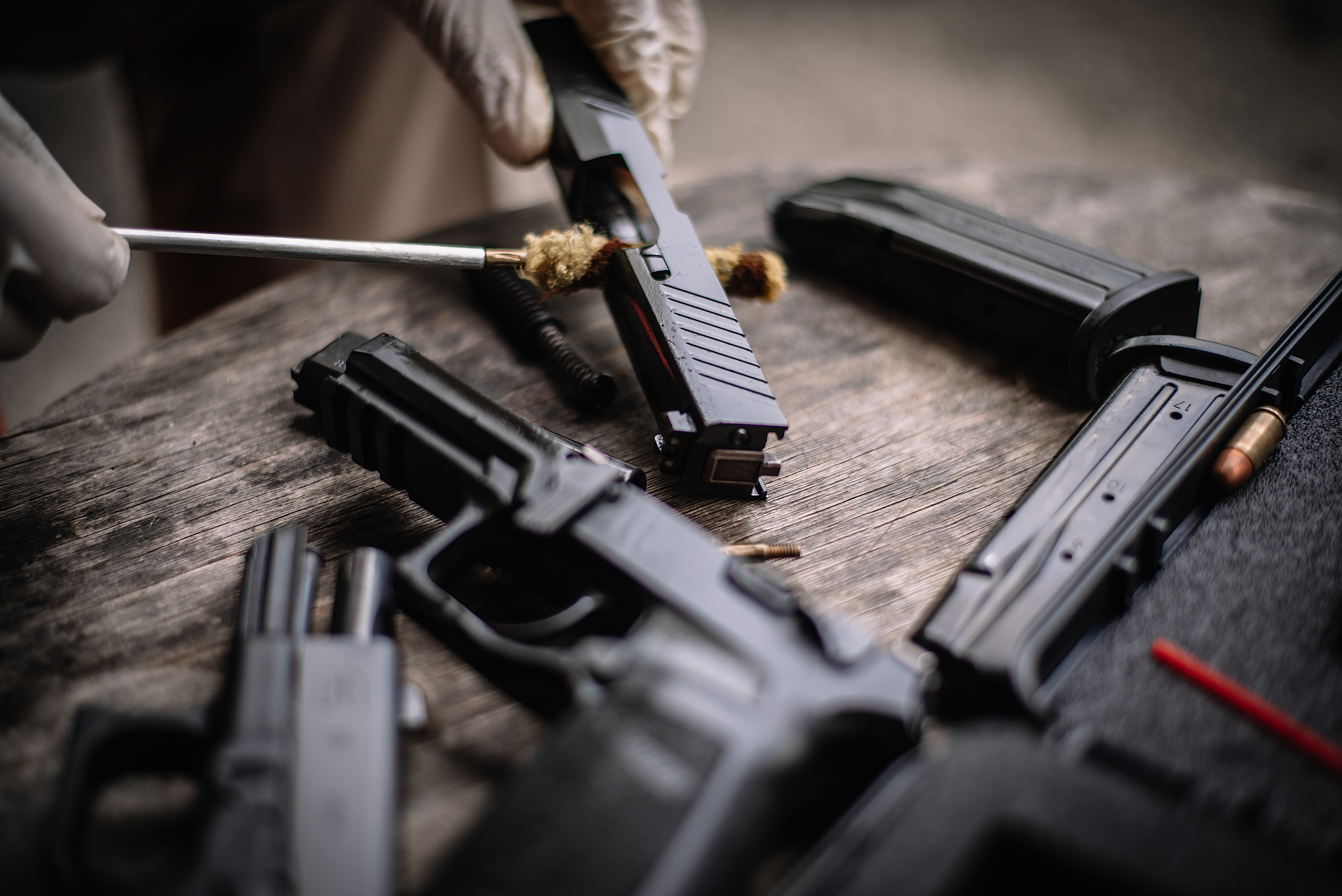
3. Cleaning Your Firearm is More Than Just Maintenance
Cleaning your firearm ensures proper functionality, but it also prevents safety issues caused by malfunctions. A poorly maintained firearm is more likely to jam, misfire, or fail when needed.
Why It Matters:
- Carbon buildup and residue can affect the firing mechanism.
- Dirty barrels can reduce accuracy and increase the chance of obstructions.
What You Should Do:
- Unloading First: Always double-check that the firearm is unloaded before cleaning.
- Clean Regularly: Clean your gun after every range session or at least every 500 rounds fired.
- Use the Right Tools: Invest in a quality cleaning kit designed for your firearm’s caliber and type.
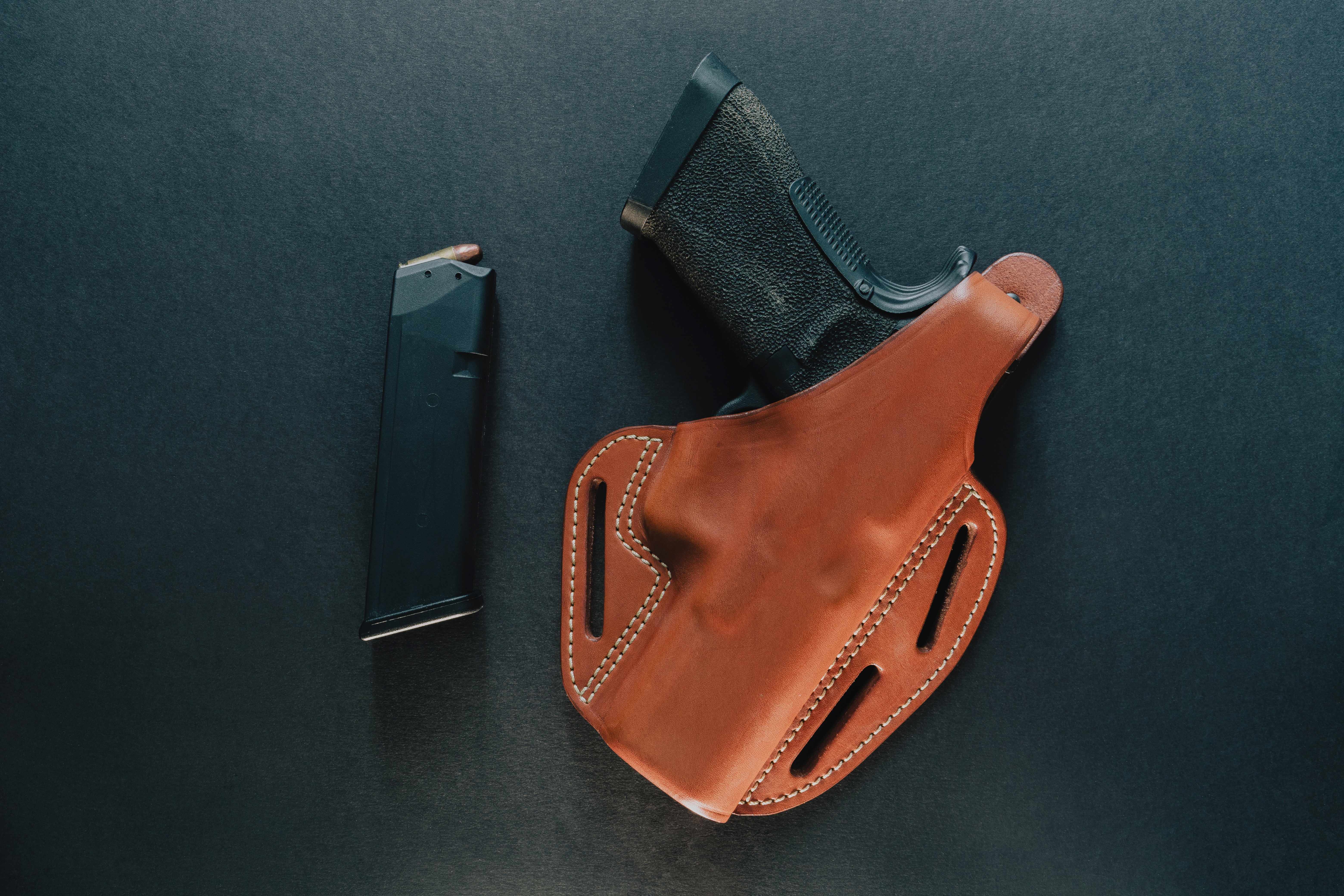
4. Holsters Can Make or Break Your Safety Plan
A holster isn’t just a convenience; it’s a critical safety tool. A poorly designed holster can lead to accidental discharges or the firearm becoming unsecured.
Why It Matters:
- Trigger guards must be fully covered to prevent accidental discharges.
- Retention systems prevent your firearm from falling out during movement.
What You Should Do:
- Choose Quality: Look for holsters made from durable materials like Kydex or high-quality leather.
- Fit Matters: Ensure the holster is specifically designed for your firearm model.
- Reholstering Safely: Practice reholstering slowly to avoid snagging the trigger.
5. Dry Firing is Risky Without the Right Setup
Dry firing—practicing with an unloaded firearm—is an excellent way to improve your shooting skills. However, it can be risky if done improperly.
Why It Matters:
- Accidents can happen if live ammunition is mistakenly loaded during practice.
- Some firearms, like rimfire guns, can be damaged by repeated dry firing.
What You Should Do:
- Use Snap Caps: These dummy rounds protect your firearm and allow safe dry-fire practice.
- Designate a Safe Zone: Create a distraction-free area where no live ammunition is present.
- Check Twice: Always confirm the gun is unloaded before starting.

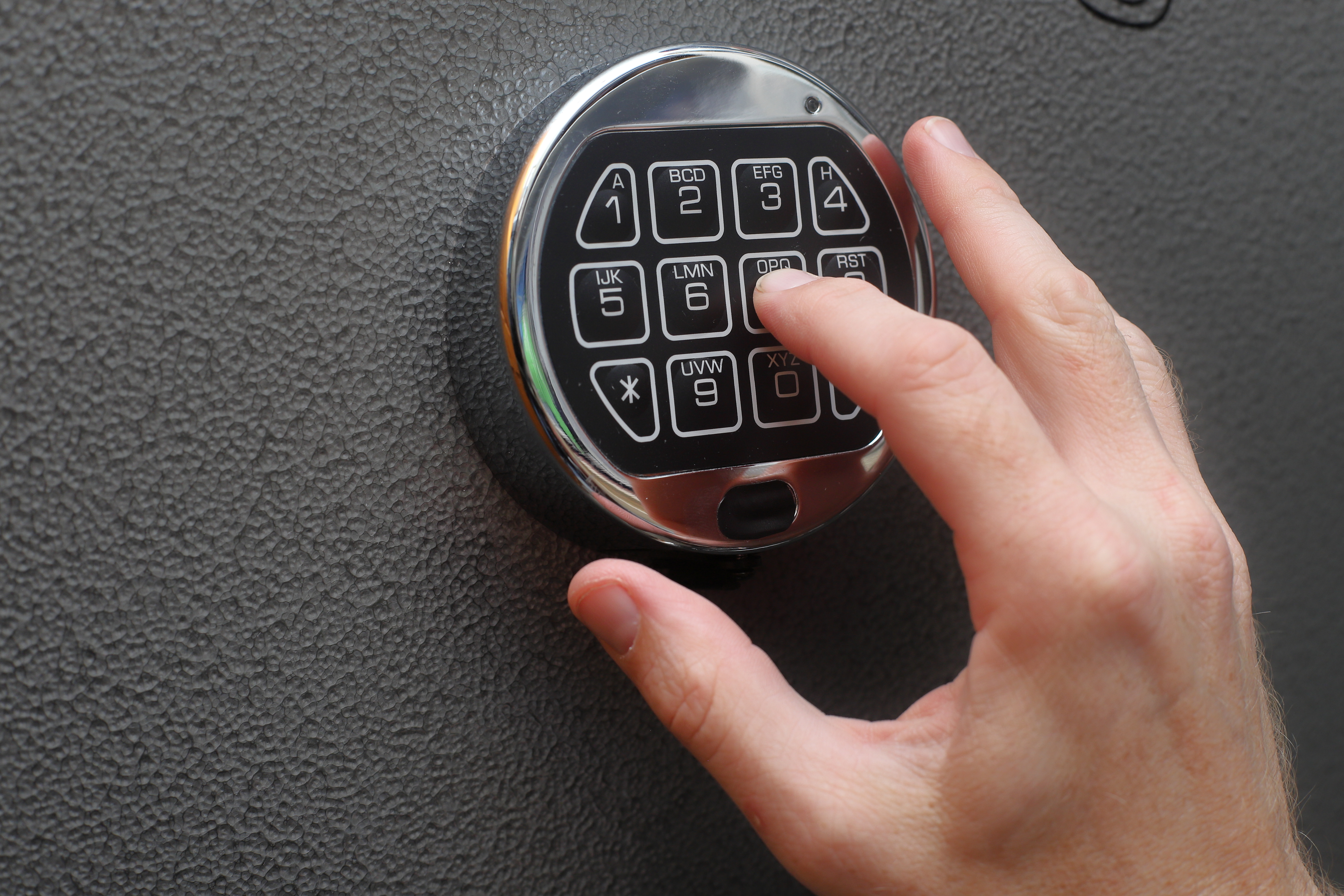
6. Safe Storage is More Than Just Locking It Away
Proper storage is essential to prevent unauthorized access, particularly by children or untrained individuals. But storage isn’t just about locking your guns away—it’s about accessibility in emergencies.
Why It Matters:
- Children are naturally curious, and even a hidden gun can become a hazard.
- Improper storage increases the risk of theft or unauthorized use.
What You Should Do:
- Invest in a Safe: Choose a biometric or quick-access safe for home defense firearms.
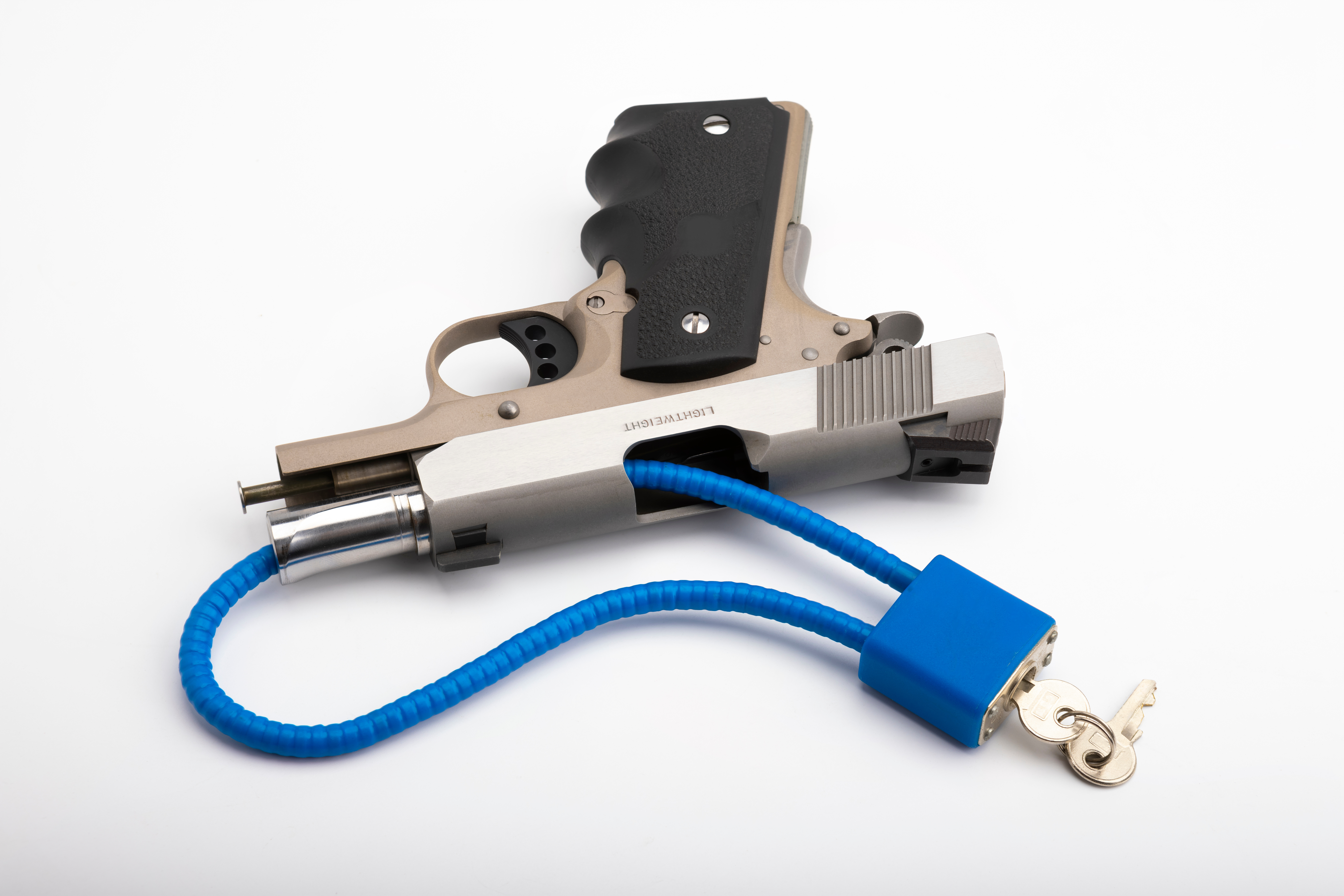
- Use Trigger Locks: For long-term storage, trigger locks add an extra layer of security.
- Educate Family Members: Teach everyone in your home about gun safety and storage rules.
7. Accidental Discharges are Often Preventable
The term "accidental discharge" is misleading; most incidents result from negligence. Proper handling techniques can prevent nearly all unintentional discharges.
Why It Matters:
- Trigger discipline is critical for safety.
- Mishandling during cleaning or reholstering is a common cause of incidents.
What You Should Do:
- Keep Your Finger Off the Trigger: Unless you are ready to shoot, your finger should be outside the trigger guard.
- Avoid Unnecessary Handling: Only handle your firearm when necessary, and always with caution.
8. Handling Firearms Around Others Requires Extra Care
Gun safety doesn’t stop with you; it extends to those around you. Mishandling firearms in social settings is a leading cause of accidents.
Why It Matters:
- Firearms left unattended can be accessed by others, increasing risks.
- Unsafe handling in group settings can lead to serious injuries.
What You Should Do:
- Control Access: Always maintain control of your firearm.
- Set Boundaries: Make it clear to others not to handle your firearm without permission.
- Lead by Example: Demonstrate proper safety practices at all times.

9. Eye and Ear Protection are Essential Every Time
Firearms generate high noise levels and can eject hot brass or debris, making eye and ear protection non-negotiable.
Why It Matters:
- Gunfire can cause permanent hearing loss.
- Brass casings or debris can cause serious eye injuries.
What You Should Do:
- Wear Protection Always: Even for a single shot, use high-quality ear muffs and ballistic-rated eyewear.
- Choose the Right Gear: Opt for electronic ear protection for better situational awareness.
10. Transporting Firearms Requires Careful Planning
Transporting firearms involves a unique set of safety considerations, including compliance with local laws and secure handling during travel.
Why It Matters:
- Loaded firearms in vehicles pose significant risks.
- Transporting improperly stored firearms can lead to legal trouble.
What You Should Do:
- Unload Before Transport: Ensure all firearms are unloaded and stored separately from ammunition.
- Use Lockable Cases: Secure firearms in cases that meet your state’s legal requirements.
- Know the Laws: Research transportation laws in your state and destination.
Conclusion
Gun safety is about more than just the basics—it’s a comprehensive approach to responsible ownership. By understanding these often-overlooked aspects, you can protect yourself, those around you, and your investment. Firearm safety is an ongoing commitment, requiring vigilance, education, and practice.
At ShootingRange.com, we’re committed to helping shooters of all levels build their skills while staying safe. Explore our blog for more tips, guides, and resources, and share your own gun safety practices in the comments below. Let’s work together to make every range trip a safe and enjoyable experience!